I still remember the first morning when winter truly arrived.
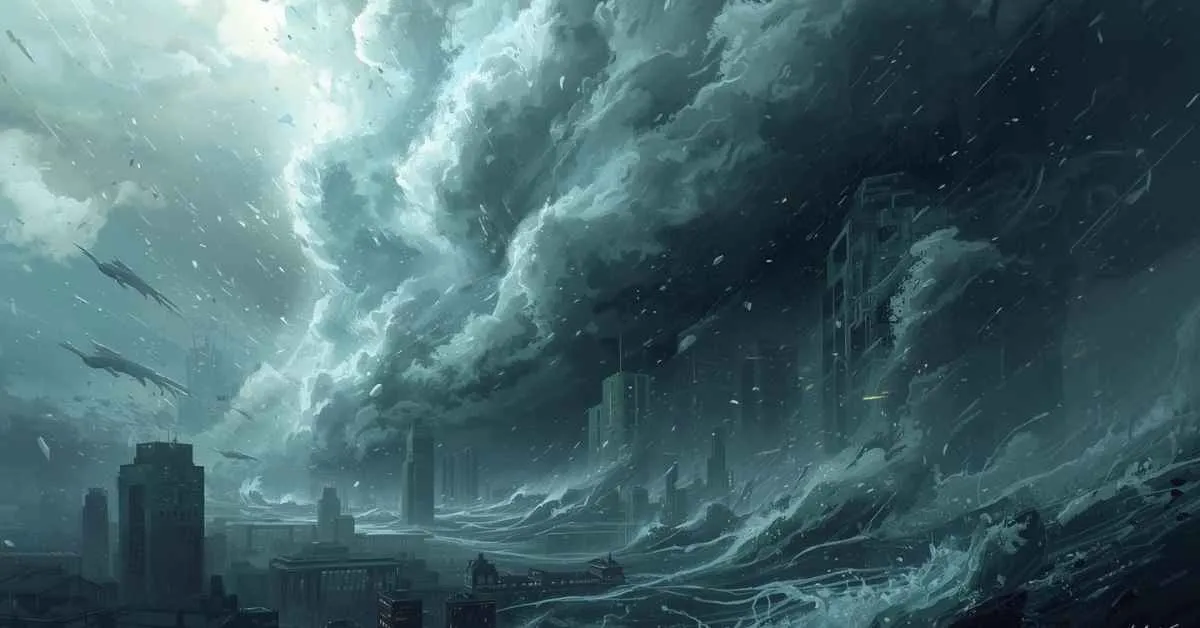
I stepped outside, and the wind didn’t just blow it spoke to me, wrapping around my coat like a restless force that refused to be ignored.
In that moment, I felt the wind as a metaphor for winter, sharp, cold, and full of attitude.
As I tried to walk forward, the winter wind pushed back, testing my patience and numbing my hands, and that’s when I realized this season was challenging me.
Instead of fighting it, I learned to move with the wind, letting it teach me strength and resilience.
That experience changed how I see the season, because the wind became a symbol of winter’s power, its silence, and its hidden lessons.
Through this story, I want to share creative ways to describe winter by using the metaphor for wind, so you can feel winter in 2026 the same way I did raw, real, and unforgettable.
20 Metaphors for Wind
1. The wind was a restless traveler
- Meaning: Constant movement
- Explanation: Shows wind as never staying still
- Examples:
- The wind was a restless traveler, never stopping in one place.
- At night, the wind roamed like a restless traveler.
2. The wind whispered secrets
- Meaning: Soft, gentle breeze
- Explanation: Suggests quiet, mysterious movement
- Examples:
- The wind whispered secrets through the trees.
- I felt the wind whisper secrets against my skin.
3. The wind was nature’s breath
- Meaning: Life-giving force
- Explanation: Connects wind to life itself
- Examples:
- The valley moved with nature’s breath.
- Nature’s breath cooled the burning land.
4. The wind was a wild horse
- Meaning: Uncontrolled power
- Explanation: Shows speed and strength
- Examples:
- The wind charged like a wild horse.
- Roofs rattled as the wild horse ran free.
5. The wind slapped my face
- Meaning: Harsh wind
- Explanation: Emphasizes force
- Examples:
- The wind slapped my face awake.
- Cold wind slapped everyone outside.
6. The wind was a silent thief
- Meaning: Gradual loss
- Explanation: Shows unseen impact
- Examples:
- The wind was a silent thief stealing warmth.
- Overnight, the silent thief emptied the streets.
7. The wind howled like a wounded animal
- Meaning: Painful or stormy wind
- Explanation: Adds emotion
- Examples:
- The wind howled all night.
- A wounded animal cried through the hills.
8. The wind was a messenger
- Meaning: Carrier of change
- Explanation: Signals something coming
- Examples:
- The wind was a messenger of rain.
- Cold wind delivered winter’s warning.
9. The wind danced
- Meaning: Light, playful breeze
- Explanation: Shows joy and motion
- Examples:
- The wind danced through open fields.
- Curtains moved as the wind danced inside.
10. The wind was a roaring engine
- Meaning: Loud, powerful wind
- Explanation: Mechanical strength
- Examples:
- The wind roared all night.
- Trees shook like an engine was running.
11. The wind was a cold knife
- Meaning: Sharp chill
- Explanation: Painful cold
- Examples:
- The wind cut like a cold knife.
- A knife of wind pierced my coat.
12. The wind sang
- Meaning: Musical breeze
- Explanation: Pleasant sound
- Examples:
- The wind sang through bamboo.
- At dusk, the wind sang softly.
13. The wind was an invisible river
- Meaning: Continuous flow
- Explanation: Movement without sight
- Examples:
- An invisible river rushed past us.
- Birds floated on the river of air.
14. The wind was a bully
- Meaning: Aggressive force
- Explanation: Dominant behavior
- Examples:
- The wind bullied weak branches.
- Doors slammed as the bully passed.
15. The wind was freedom itself
- Meaning: Liberation
- Explanation: Emotional openness
- Examples:
- I breathed freedom with the wind.
- The kite chased freedom itself.
16. The wind was a drumbeat
- Meaning: Rhythmic gusts
- Explanation: Repeated motion
- Examples:
- Wind hit the walls in drumbeats.
- The storm marched to its beat.
17. The wind was a ghost
- Meaning: Unseen presence
- Explanation: Felt but invisible
- Examples:
- A ghost brushed past me.
- The wind ghosted through halls.
18. The wind was a storyteller
- Meaning: Memory and history
- Explanation: Carries past voices
- Examples:
- The wind told old stories.
- Ruins listened to the storyteller.
19. The wind was a sculptor
- Meaning: Shaping force
- Explanation: Gradual change
- Examples:
- Wind sculpted the rocks.
- Time and wind shaped the land.
20. The wind was pure rebellion
- Meaning: Defiance
- Explanation: Breaks order
- Examples:
- The wind rebelled against silence.
- Rebellion shook the calm town.
Practical Exercise: Test Your Understanding
- Q: Which metaphor fits a gentle breeze?
A: The wind whispered secrets. - Q: Best metaphor for destructive wind?
A: The wind was a wild horse. - Q: Metaphor showing cold pain?
A: The wind was a cold knife. - Q: Metaphor for constant movement?
A: The wind was a restless traveler. - Q: Metaphor for invisible force?
A: The wind was a ghost. - Q: Wind bringing change?
A: The wind was a messenger. - Q: Wind shaping land?
A: The wind was a sculptor. - Q: Musical wind?
A: The wind sang. - Q: Wind showing freedom?
A: The wind was freedom itself. - Q: Loud, stormy wind?
A: The wind was a roaring engine.
Conclusion
A metaphor for wind turns something invisible into something unforgettable.
When you choose the right metaphor, your writing breathes, moves, and lives.
Use these metaphors not just to describe wind but to express emotion, motion, and meaning with confidence.

Charles Dickens Victorian England ka sabse beloved storyteller tha, jise Oliver Twist, A Christmas Carol, aur Great Expectations ne global fame di. Uski writing social issues ko beautifully expose karti hai.
More classic author bios at mitaphre.com